NEW MEMBER OFFER: 1 week UNLIMITED CLASSES for $39

Real Toronto rates, what drives them, and how to judge a trainer before you buy a package: credentials, questions to ask, red flags and how to track progress.
Book your first classMost one-on-one personal training in Toronto lands somewhere between about $80 and $130 for a one-hour session, before tax. The YMCA of Greater Toronto puts a certified trainer in downtown Toronto at $90 to $120 a session, and sometimes $200 or more, while its own trainers start at about $60 a session with a monthly subscription of at least one session a week.
The per-session number is only half the answer. What matters is the monthly cost and what you get for it. Two sessions a week at $100 works out to roughly $867 a month before HST, or about $980 after it. Before you spend that, it's worth knowing what drives the price, what the alternatives are and how to tell a good trainer from an expensive one.
Many studios don't publish rates; they quote them at a consultation. When studios do publish rates, single sessions commonly run about $90 to $110 depending on the coach's experience, dropping to roughly $75 to $95 per session when you buy a 12-pack, before tax. A spread of $30 or more between the cheapest and most expensive coach at the same studio is normal.
Here's what moves the number:
Ask what's included before comparing prices. A $90 session with nothing in between can cost you more in the long run than a $110 session that comes with a plan for your other three training days.
You get the coach's full attention for the whole session: every rep watched, every load chosen for you. It suits people coming back from an injury (once they've been cleared by a health professional), people with a specific performance goal, and anyone who is nervous in a gym and wants to learn the basics privately. It's the most expensive option per hour, and most people can't afford it more than twice a week.
Two to six people share a coach, but each person follows their own program. Splitting the coach's time brings the cost down. Published 2-on-1 rates in Toronto often work out to roughly $55 to $85 per person, depending on coach level and pack size. You give up some attention, but a good coach can supervise a small group running different programs. This suits most people who want individual programming and accountability without paying private rates three times a week.
These are fixed-length programs, often 8 to 12 weeks, that bundle coached sessions with assessments, nutrition guidance and scheduled check-ins. The price is usually quoted for the whole program rather than per session. They suit people with a clear goal and a deadline who want someone else to own the plan.
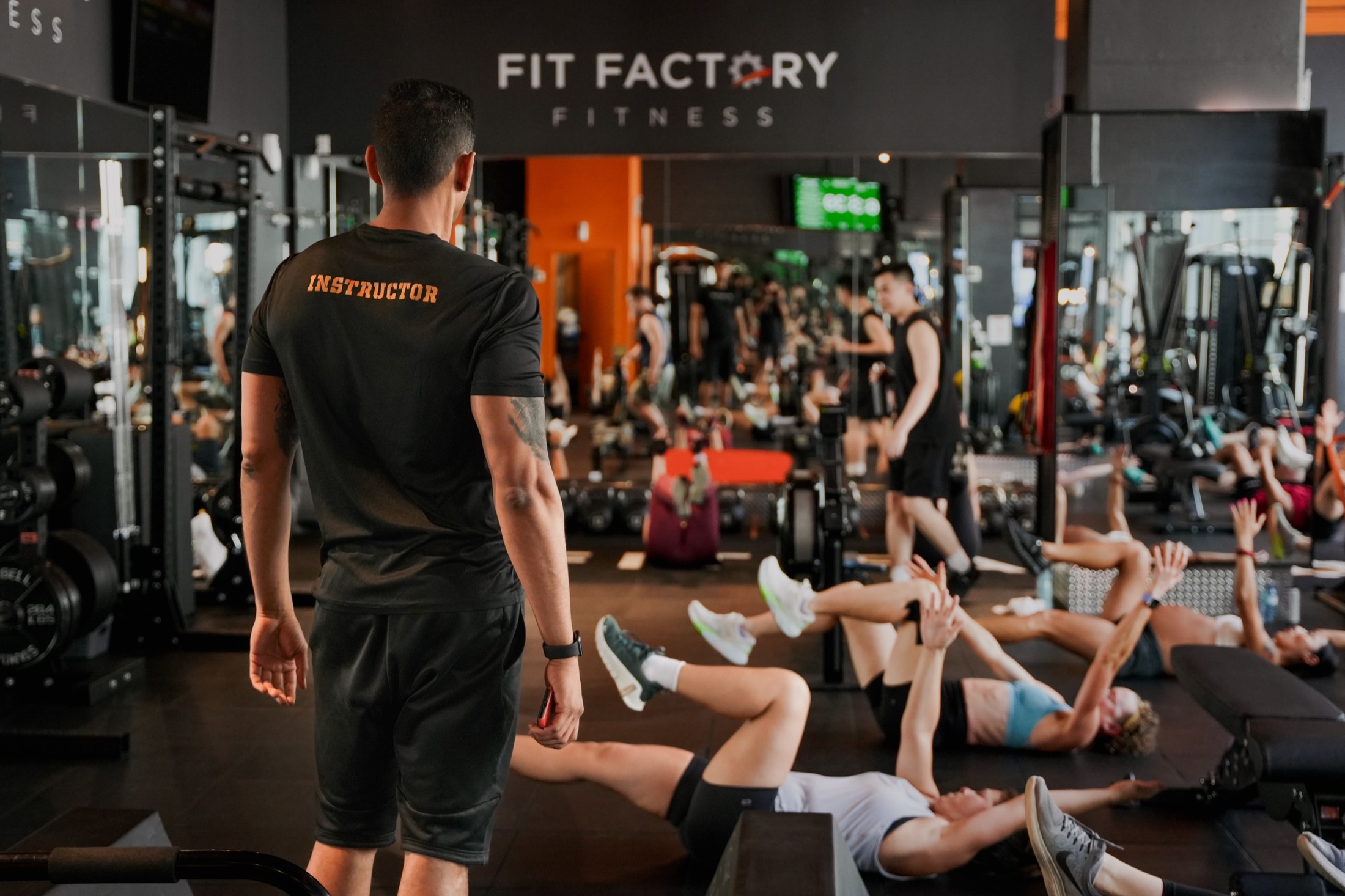
One coach, a full room, and the same workout for everyone, with scaling options. In a well-run class, the coach still corrects form and helps you pick loads, but they can't build your program around you. Classes are the cheapest way to get regular coaching. At Fit Factory, for example, a drop-in is $35 + HST and memberships run $49 to $69 + HST a week depending on term. Group classes suit people who already move well and need consistency and community more than individual programming.
"Kinesiologist" is a protected title in Ontario, but "personal trainer" isn't regulated the same way. Anyone can print business cards. A certification is the minimum to look for, and some certifications are much more demanding than others. These are the ones you'll see most often in Toronto:
Credentials tell you a coach learned the basics. They don't tell you whether that coach can teach a nervous beginner to deadlift. For that, you need to ask questions and watch how they work.
About the first third should be talking. A good coach asks what you want, why now, what you've tried, what got in the way and what your week actually looks like. They'll screen for health issues and old injuries. If you have a medical condition, check with your doctor before you start; a good trainer will ask you to anyway.
Next comes a movement check built on the basic patterns: squat, hinge, push, pull and carry. The coach is looking at how you move, not how much you can lift. Can you squat to a box with your heels down? Does your lower back round when you pick something up from the floor? They'll record a few baseline numbers, such as a goblet squat for 8 clean reps, a plank time or a body composition scan.
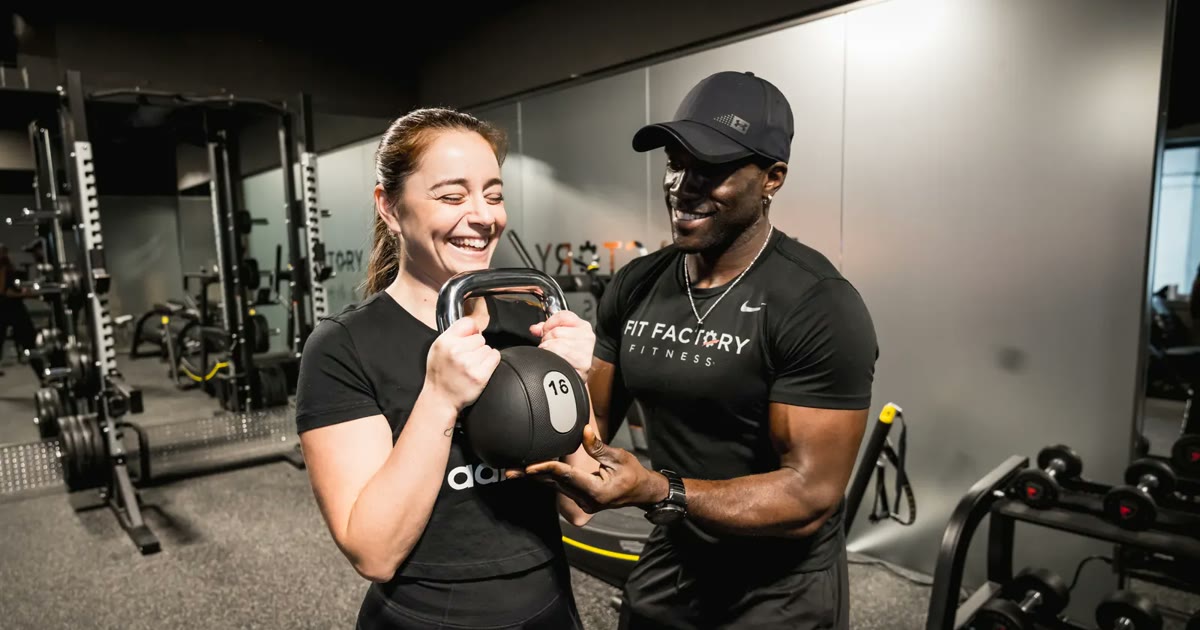
Push the floor away and keep your chest proud. If the weight pulls you forward, it's too heavy for today.
You should leave knowing three things: what your plan is for the next four weeks, what you'll do between sessions and how you'll know it's working. If you can't explain those three things on the way home, ask.
If you're paying $800 or more a month, progress shouldn't be a feeling. Ask your coach to track at least two of these:
Your plan should change based on what the numbers show. If your lifts haven't moved in six weeks and the program hasn't changed, have that conversation with your coach.

We offer two coaching options, both at our Downtown and Midtown studios.
Personal Strength Coaching (PSC) is our semi-private option: up to six people per coach, each on their own plan. It includes two or three coached sessions a week, unlimited group classes, customized nutrition guidance, monthly coach check-ins and the Fit Factory Pro app for your workouts and progress tracking. It starts with a free 30 to 45 minute consultation in studio, a body scan and a movement and strength check. The 12-week program has check-ins at weeks 4, 8 and 12 and ends with a final body scan and a review of your results.
Private training is one-on-one or two-on-one with your coach's full attention. It includes customized strength programming, technique correction on every rep, progressive overload planning, body composition tracking and a strategy for your specific goal. Pricing depends on how often you train, so we go over it at a free consultation, with no pressure to sign up.
Both PSC intro offers are listed on our pricing pages. Downtown has the PSC Foundations Pass: three sessions for $199 + HST, with an onboarding consultation. Midtown has the PSC Drop-In Intro + Consultation: one session for $50 + HST.
Before you buy a package anywhere, write down your goal, how many days a week you can realistically train and your monthly budget. Then take those three answers and the questions above to a consultation. Any good coach should be able to tell you which option fits you, even if that means recommending the cheaper one.
If you want individual coaching, book a PSC intro at Downtown or Midtown. If you'd rather start with classes, try a week of unlimited group classes for $39 + HST at Downtown or Midtown.
Everything you need to know about memberships, HYROX training, personal coaching, group fitness classes, and getting started at Fit Factory Toronto.
Start Your 1 week TrialFit Factory gym welcomes new members of all fitness levels with strong, open arms. No matter your fitness level, we got you.